
Selection of Sources
This digital humanities project looks at the relationship between educational attainment and wealth inequality in the United States. Specifically, our group looks at the ways in which educational attainment is correlated with greater financial affluence over an individual’s lifetime by analyzing financial outcomes such as income, asset ownership, and net worth. By analyzing patterns in data and presenting them through data visualizations, this project aims to make broader structures of economic inequality in the United States easier to understand why they exist, and ways in which to improve these inequalities. The sources used in this project consist of a dataset provided by the Federal Reserve’s Distributional Financial Accounts (DFA) [1], which provides detailed information on how financial assets and wealth are distributed across 4 household groups in the United States, covering periods from 1990 to 2024 by quarter.
In addition, this project also looks at several scholarly articles that examine the relationship between education, income, and wealth inequality. These sources help provide context for the patterns seen in the data and support the project’s argument that higher education attainment is often associated with greater financial stability and long term wealth accumulation. For example, Bartscher et al. argue that the wealth gap between college educated and non-college educated households has grown significantly over time because college educated households are more likely to invest more in assets such as businesses and stocks that accumulate over time [5]. Other research emphasizes how major economic events can also deepen those inequalities. Pfeffer, Danziger, and Scheni argue that less advantaged individuals in society experienced the highest percentage of losses during the recession itself compared to more educated households [18]. By utilizing both a quantitative dataset with over thirty years of detailed data and also scholarly research, this allows the project to combine statistical evidence and interpretations of economic inequality.
However, it is important to note that digital sources are not neutral records of reality and as a result must be interpreted critically. Michel Trouillot explains that historical knowledge is shaped by power and by what is recorded, meaning that sources and datasets always contain silences and limitations [22]. Because of this, the dataset used in this project is treated as representations of social power rather than objective truth. Recognizing these limitations helped guide how the data and scholarly research were selected and interpreted for our final project.
All Images are cited in Sources.
Processing the Data
To process the data for our project, we organized, picked, and cleaned the DFA dataset into categories that allow us to compare wealth distributions across education levels in the most effective manner. Although the dataset itself on the DFA website was already relatively clean and had columns that could be analyzed, we still needed to filter and organize the information into variables that could be clearly visualized and easily interpreted by an audience. For example, many of the columns had multiple N/A placeholders that needed to be cleaned for our project. Similarly, the original dataset had data from the third and fourth quarters of 1989, as well as the first three quarters of 2025. However, because this data does not give a holistic representation of all four quarters of 1989 and 2025, we decided that the best way of approaching the dataset was to remove these years from the final dataset. Finally, the original dataset contained large monetary values representing total wealth amounts in each of the 4 household groups in the United States by quarter. However, to make comparisons among education levels clearer, we converted these values into percentages showing each group’s share of each category out of 100.
One of the key decisions we made during the processing was selecting specific time periods that would allow for meaningful comparisons across major economic events. For example, comparing the share of aggregate wealth before and after the great recession helps highlight how economic crises can affect households with different levels of education in unequal ways. This is also where our timeline plays a vital role in our project, to show when and how certain events in the United States may have caused a larger inequality of wealth across education levels. This process of organizing, structuring, and easily presenting the data for an audience to analyze the data reflect what Johanna Drucker describes as modeling, which is the process of simplifying complex social realities into categories that can be analyzed computationally [23].
At the same time, the dataset does not include every variable that might shape or explain wealth inequality in the United States. Factors such as race, family intergenerational wealth, or geographic location may also influence economic outcomes of individuals. Research done by Darrick Hamilton and Willaim Darity shows that education and financial literacy are often incorrectly framed as the primary causes of wealth inequality, when in fact structural forces and intergenerational asset disparities determine who is able to convert education into long-term wealth [9]. This highlights the importance that education alone cannot fully explain economic inequality. However, because of these limitations, we focused our analysis on the relationship between education and wealth while also acknowledging that broader social, economic, and political forces also play an important role in wealth accumulation.
Presenting the Narrative
For the presentation of our project, we created a digital website on WordPress that displays our analysis through interactive charts and maps after being given access by UCLA to a HumSpace domain. These visualizations created on Tableau allow views to compare wealth distributions across different education groups and observe how these patterns change over time. In the context of this project, data visualization is particularly useful as it allows the complex dataset provided by the DFA to be interpreted relatively quickly and clearly by recognizing patterns. The timeline also created in the project allows viewers to place the data provided within a broader historical context. By highlighting major economic and social events such as the Greta Recession and the COVID 19 pandemic, the timeline helps display how external factors may have influenced wealth distribution across different education groups. This timeline also allows users to see that changes in wealth inequality do not occur by themselves, but often happen in tandem with major historical events that affect economic stability.
Throughout our quarter in Digital Humanities, we learned the importance of how individuals with power oftentimes control the process of collecting, analyzing, and sharing data, and because of this they can heavily influence the narrative that is created out of the data, with that narrative oftentimes being biased based on what those in power what to illustrate through their narrative. Because of this, we really emphasized our project around being as neutral as possible and creating a website that represents everyone equally. While we do recognize that complete neutrality is difficult to achieve, we aimed to represent the data in a clear and transparent way that allows views to interpret the patterns themselves.
When designing the website, we focused on clarity, conciseness, and most importantly, accessibility so that the argument of the project would remain easy to follow for all audiences. By focusing on accessible visualizations and clearly explaining our sources and methods, we attempted to minimize all bias and encourage users to think critically about the relationship between education and wealth accumulation.
Our group divided the work by discussing responsibilities both on text and during the lab discussion section. During these conversations, we determined which parts of the project each team member would focus on. By communicating regularly, this allowed us to coordinate our progress throughout the quarter and make sure each part of the project fit together. Meeting during the lab section also gave us time to review each other’s work and make adjustments to improve the overall quality of the project. Finally, when completing the website, we gathered together outside of class to make final adjustments and to ensure that our website is cohesive and consistent.
Meet the Team

Arden Norendzayan
Hello, my name is Arden and I am a fourth-year Political Science Major at UCLA. As the Project Manager, I was in charge of keeping track of all project documentation and ensured communication among the group was efficient.
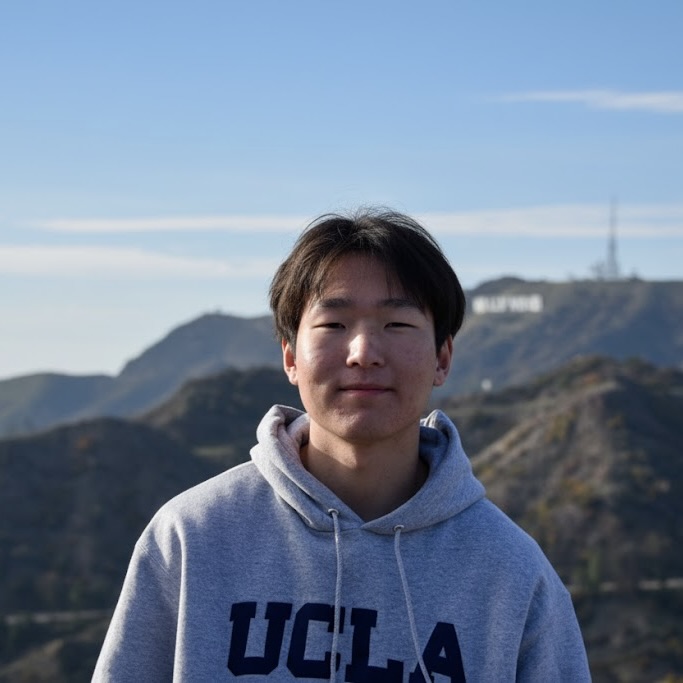
Choidorj Bayarkhuu
Hi, my name is Choi, and I am a third-year Computer Science major at University of California, Los Angeles. As the Web Developer, I was in charge of adding and linking necessary sources on the website, and specific visualizations for the narrative.
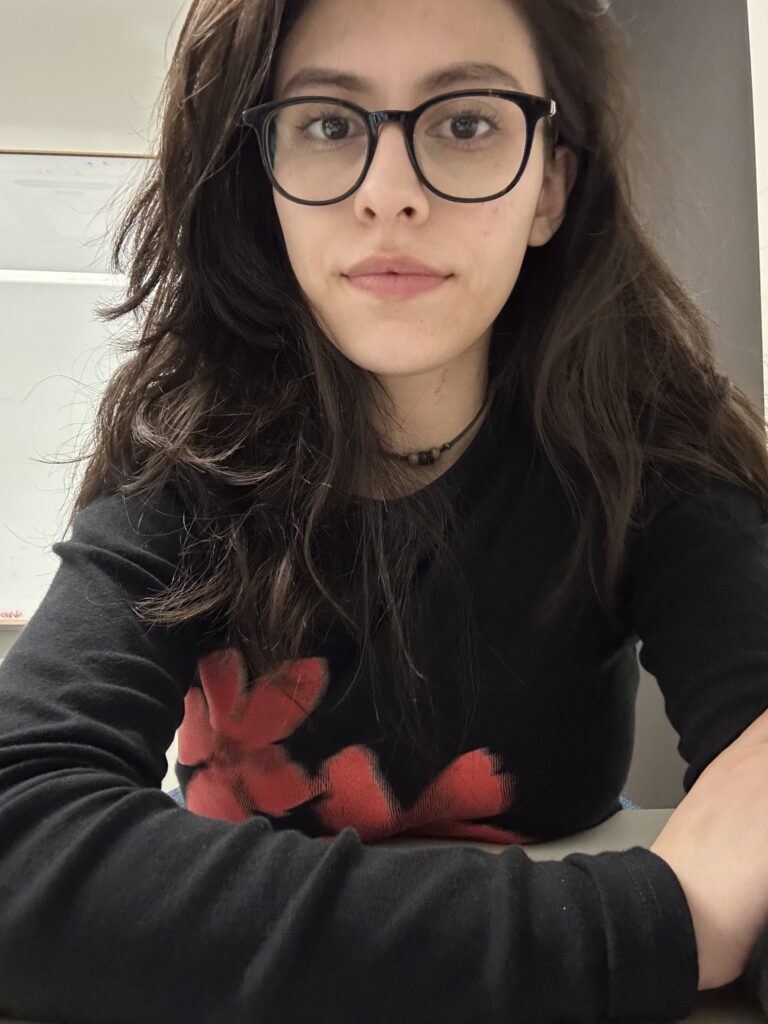
Kimberly Gonzalez
Hello, my name is Kimberly, and I am a fourth-year Statistics and Data Science major at the University of California, Los Angeles. As the Data Specialist, I was in charge of cleaning and transforming the data, along with building dashboards and data visualizations.
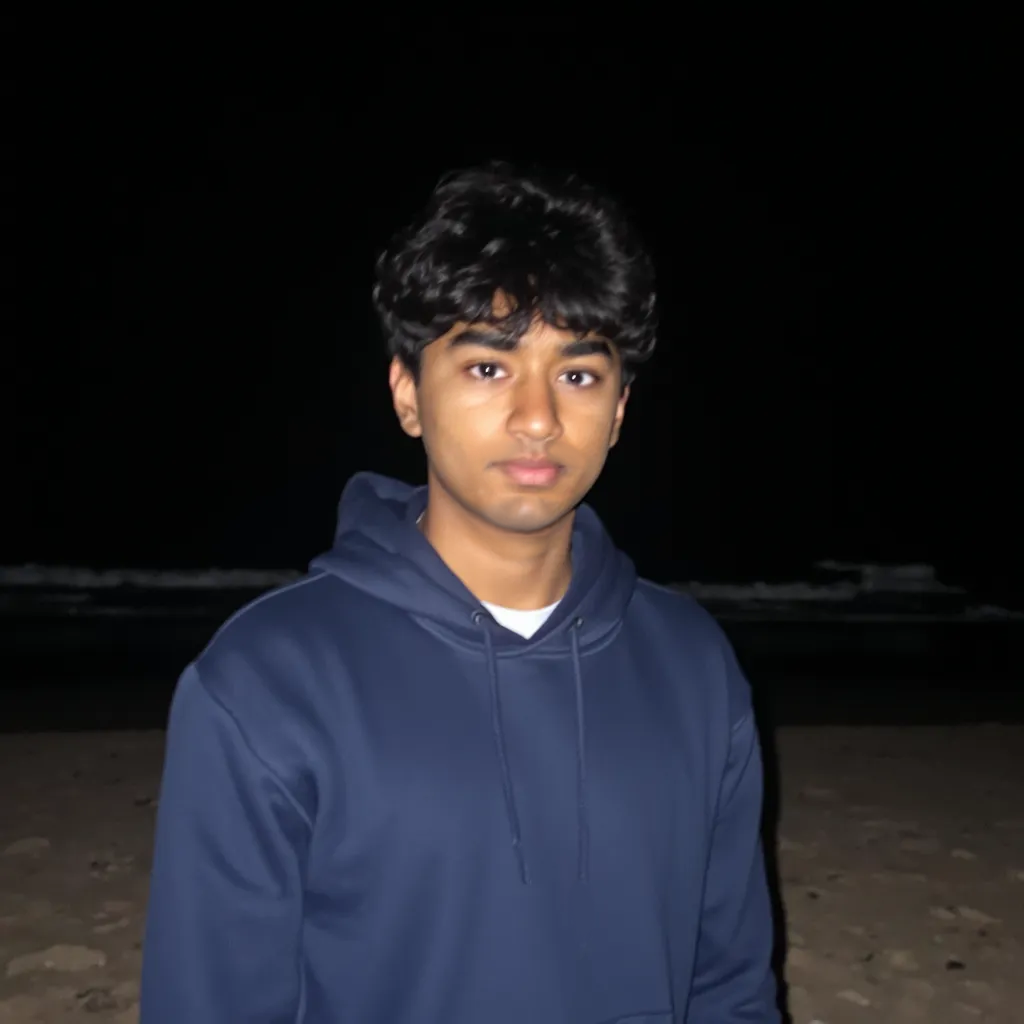
Arnav Roy
Hi, my name is Arnav, and I am current third-year computer science major at UCLA. As the Data Visualization Specialist I was in charge of creating the map, timeline, and specific visualizations for the website to support the argument in the narrative.

Rainie Yang
Hi, my name is Rainie, and I am a third-year majoring Financial Actuarial Mathematics and Statistics & Data Science at UCLA. As the Content Developer, I was in charge of developing the narrative and connecting the literature review with our visualization analysis.
Acknowledgements
We would like to thank Dr. Sabo for his guidance and support throughout the development of this Digital Humanities project. He has taught us so much throughout this short time we spent together during this quarter about a subject that was completely new to all of us.
We would also like to thank our TA, Kai Nham for being so responsive and patient throughout this quarter and helping us push through this project whenever we reached any sort of problems.
We would also like to acknowledge the many scholars and researchers whose work on education, wealth, and inequality helped this project come to life. In addition, we thank the Board of Governors of the Federal Reserve System who made this public data accessible.
Finally, we would like to acknowledge the communities and individuals whose experience of economic inequality continue to shape the conversation that inspired this project.